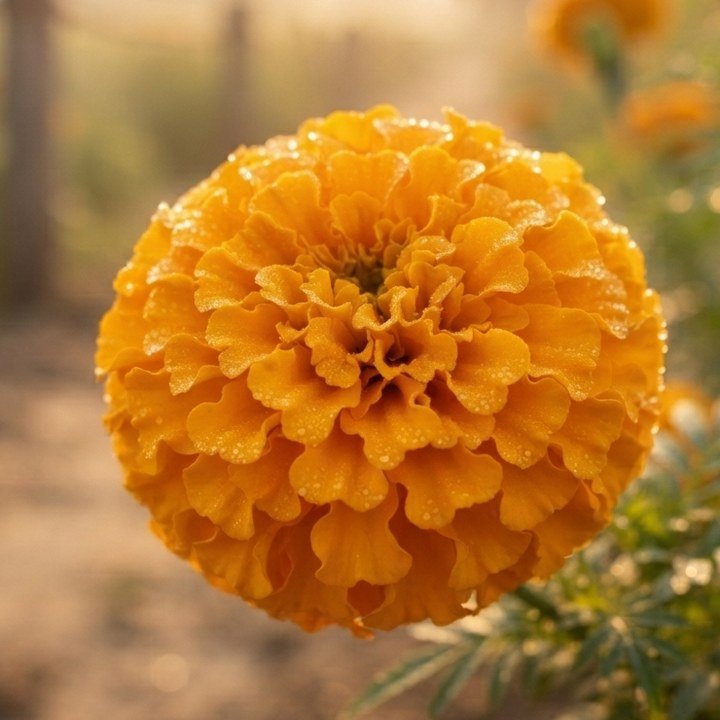
 গাঁদা
গাঁদাGenda
Golden marigolds are strung into garlands and heaped in offerings, filling Maa's pandal and her feet with festival colour.

Welcome to Maa Durga Samity, Kashmar
Tap to enter
The flowers, leaves and sacred things gathered for Maa's Puja — each with its own story.
গাঁদাGolden marigolds are strung into garlands and heaped in offerings, filling Maa's pandal and her feet with festival colour.
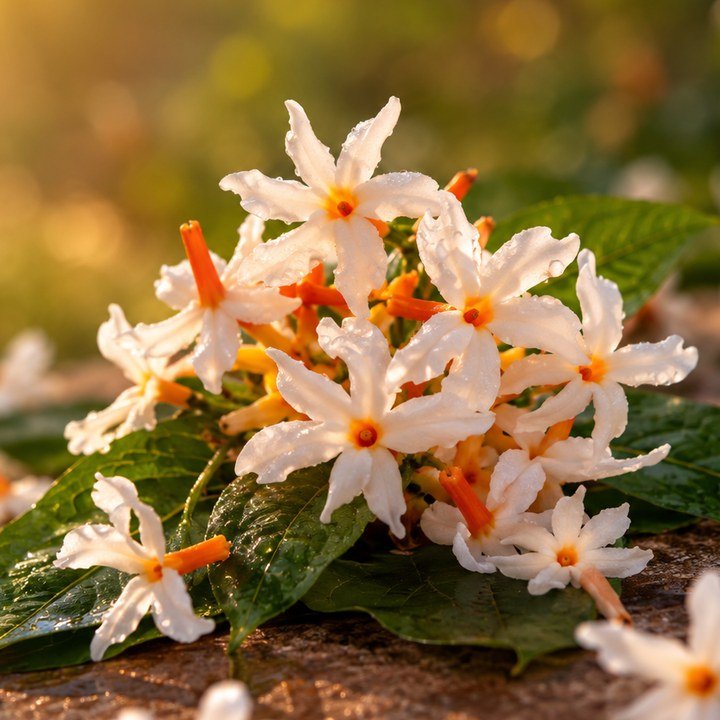 শিউলি
শিউলিThe night-flowering jasmine blooms in the dark and falls at dawn. Its white petals and orange stems are gathered fresh for Maa's feet.
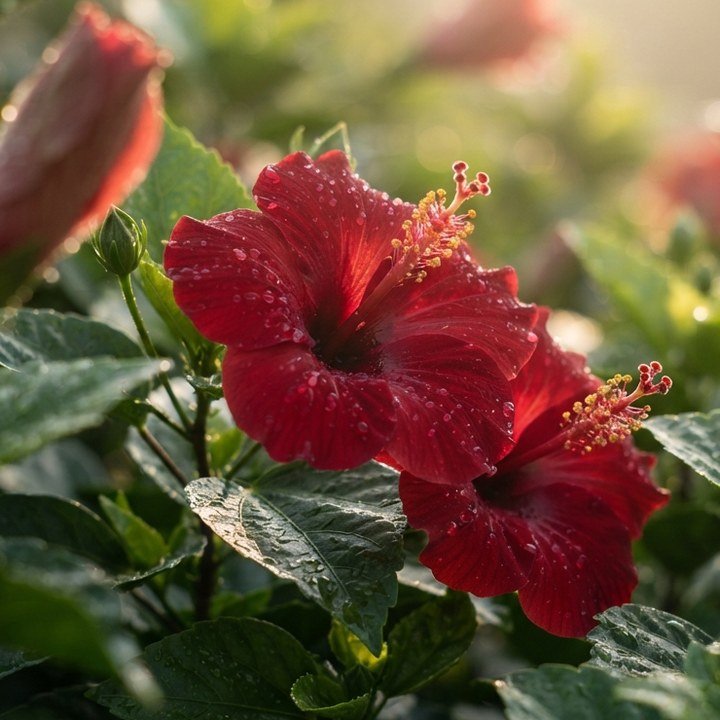 জবা
জবাThe deep red hibiscus is dear to Maa, and is offered to her in the Puja.
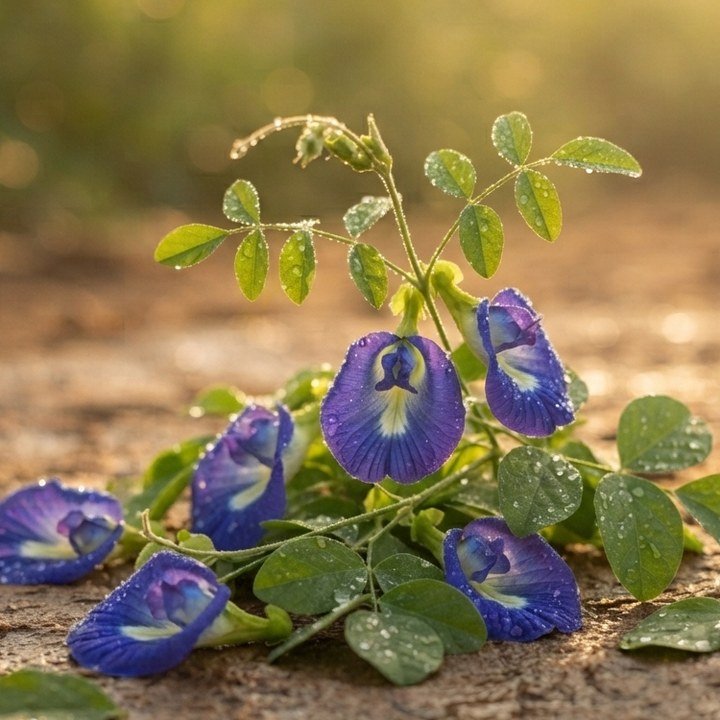 অপরাজিতা
The blue butterfly-pea flower. ‘Aparajita’ — the unconquered — is also a name of Maa, and this flower is offered to her.
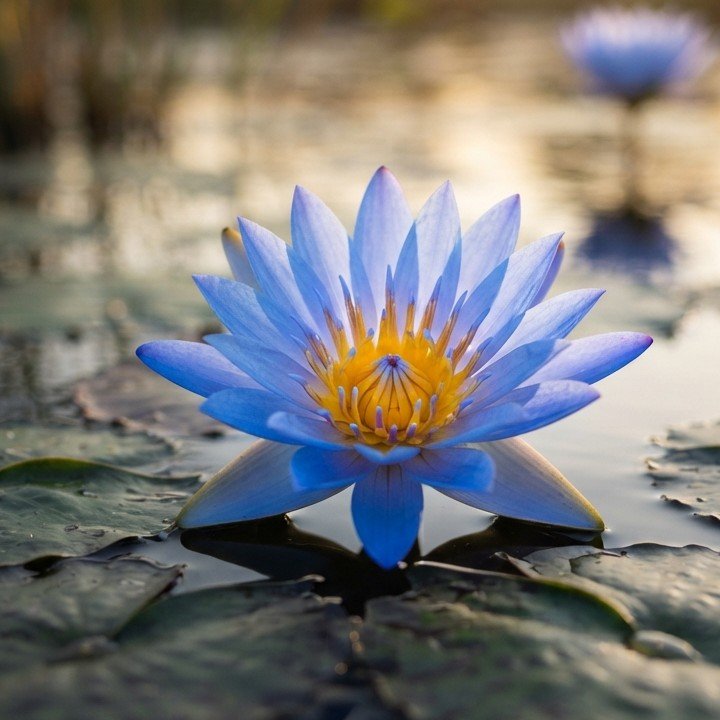 নীলপদ্ম
Before the great battle, Ram is said to have offered 108 blue lotuses to awaken the Goddess. The blue lotus remains a flower of her Puja.
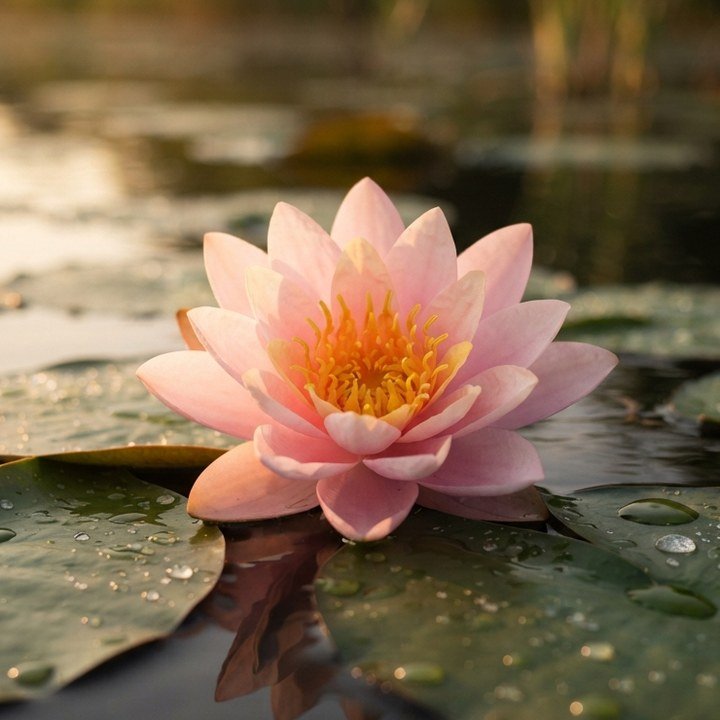 পদ্ম
পদ্মThe lotus is Maa's seat and the flower of purity — it rises from the mud and stays untouched.
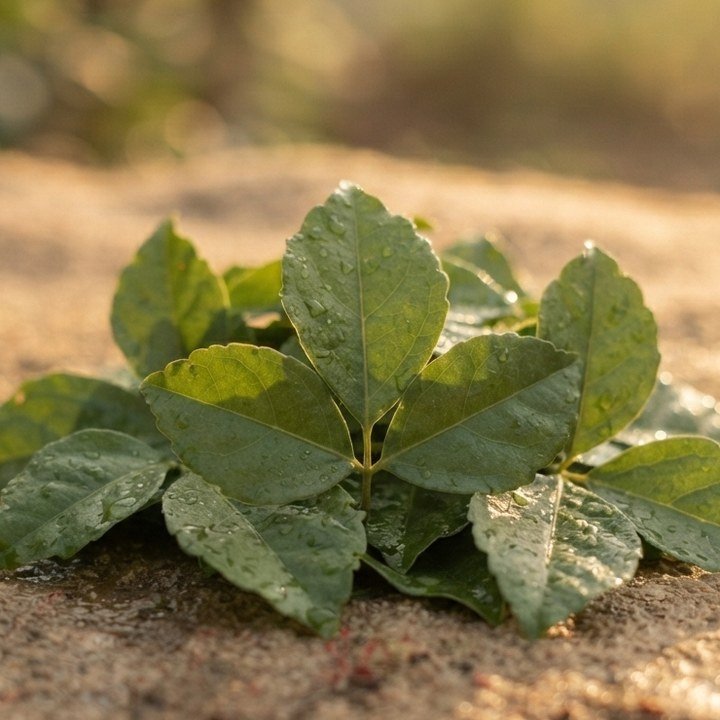 বেলপাতা
Three leaflets on one stalk. The Puja begins with Belboron, when Maa is welcomed at the bel tree.
Read Story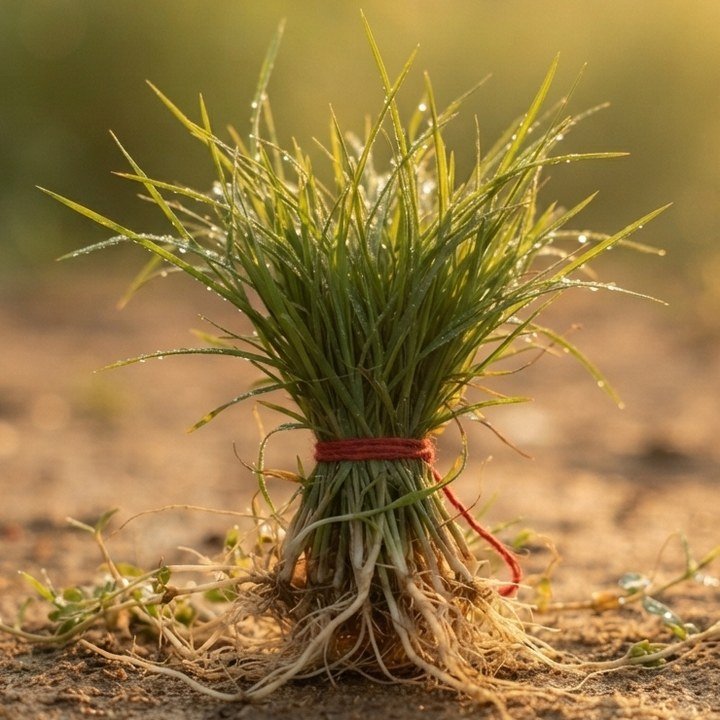 দূর্বা
Fresh, tender blades of durba, offered in small tufts, stand for long life and renewal.
 কলা পাতা
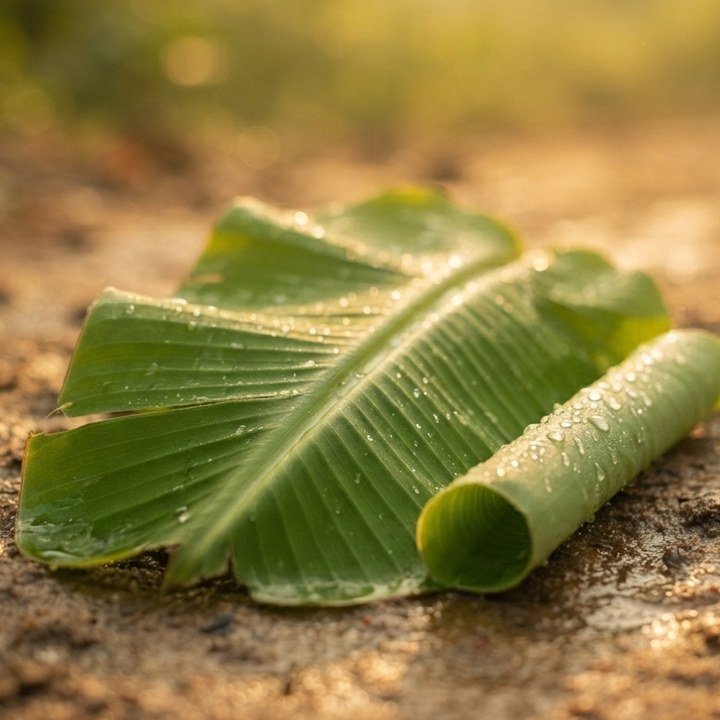
The banana plant is one of the nine plants of Nabapatrika, bathed at dawn and dressed in a red-bordered sari as Maa herself.
Read Story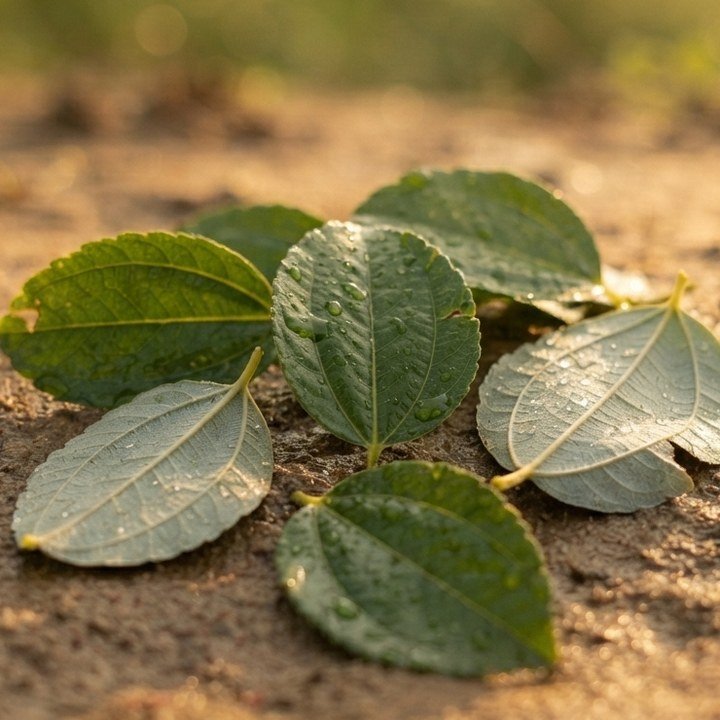 কুল পাতা
Small glossy kul (jujube) leaves from village trees, among the humble leaves that find a place in the offering.
 কচু
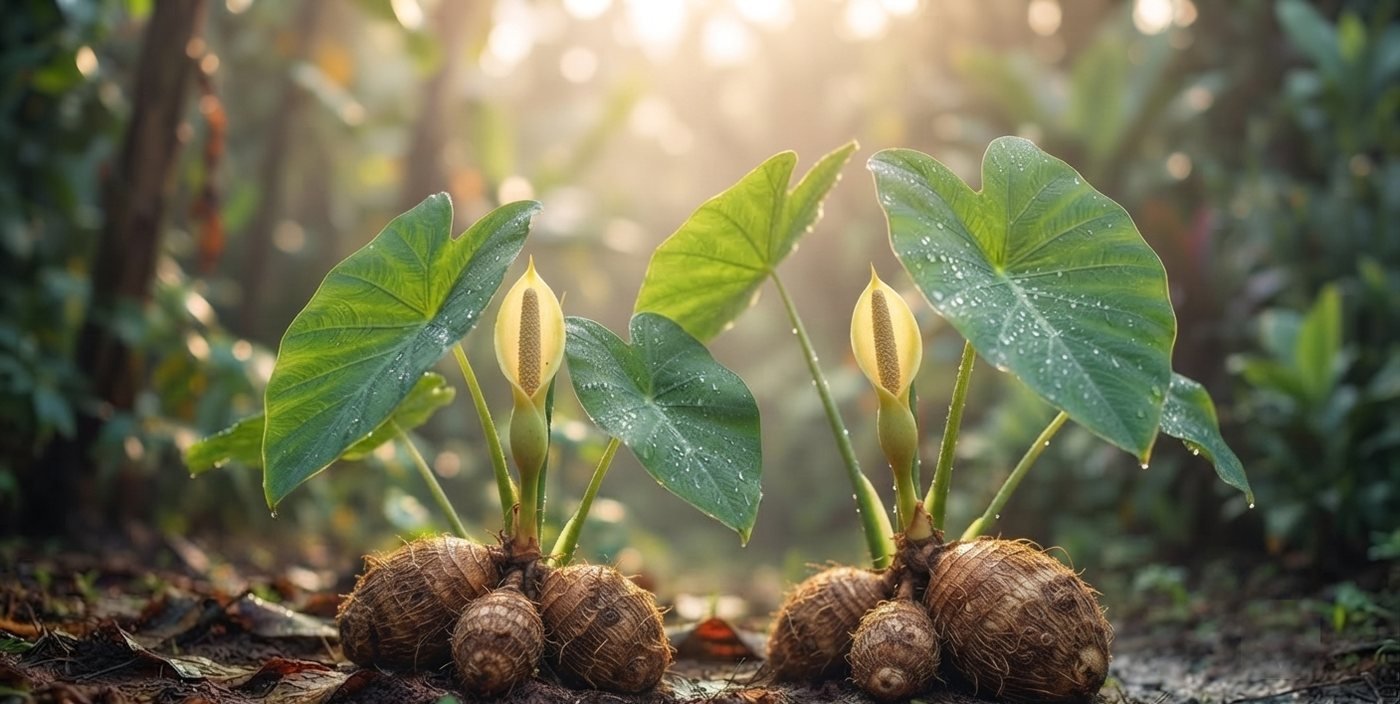
কচুA humble plant of wet ground — proof that the sacred does not have to be grand.
Read Story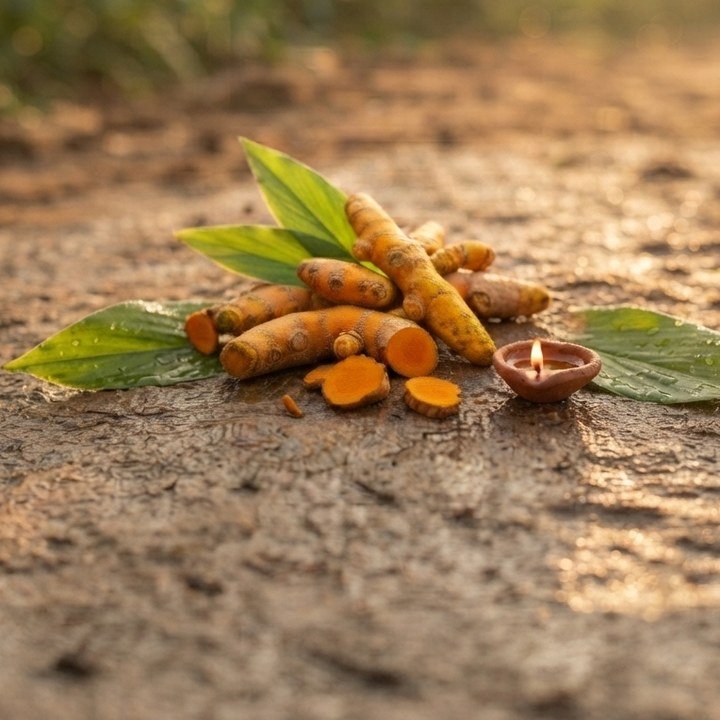 হলুদ
হলুদTurmeric — Haridra — is one of the nine plants of Nabapatrika. Its golden colour is auspicious and purifying.
Read Story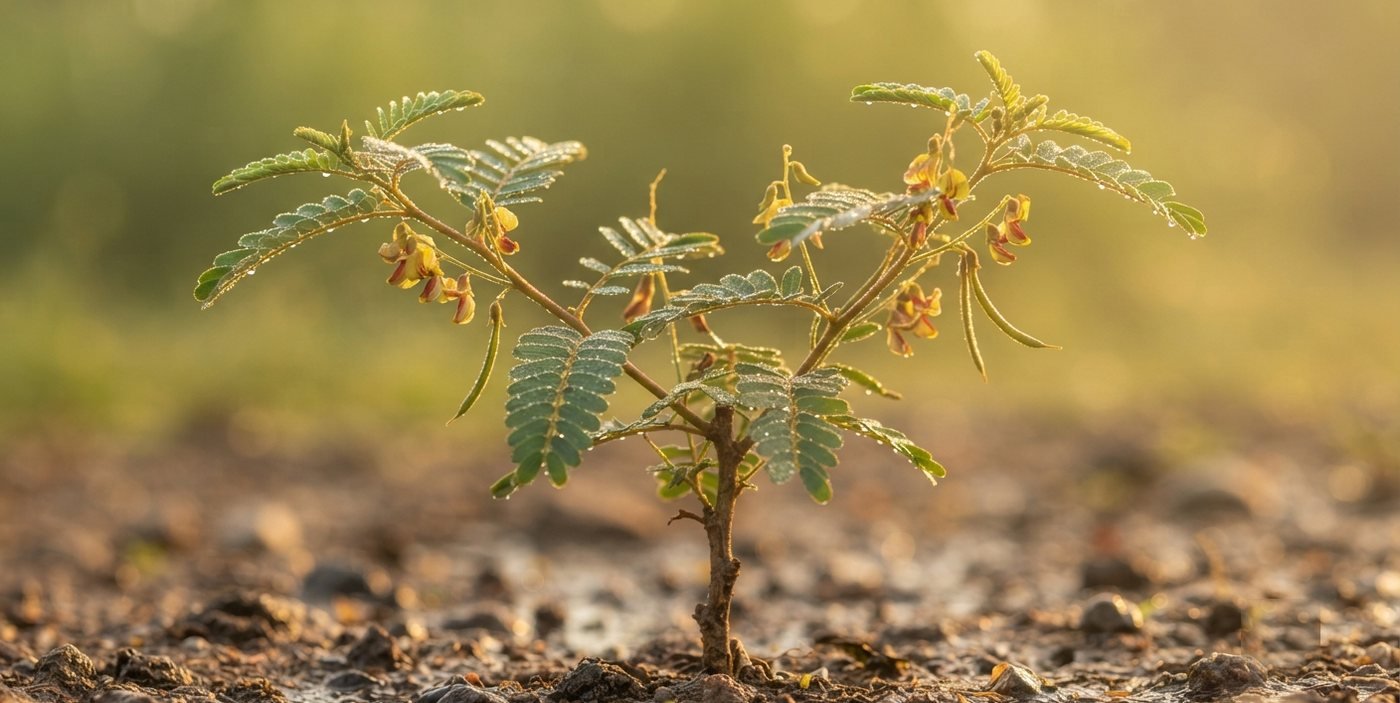 জয়ন্তী
A slender, less familiar plant that generations have kept in the ritual — a symbol of victory.
Read Story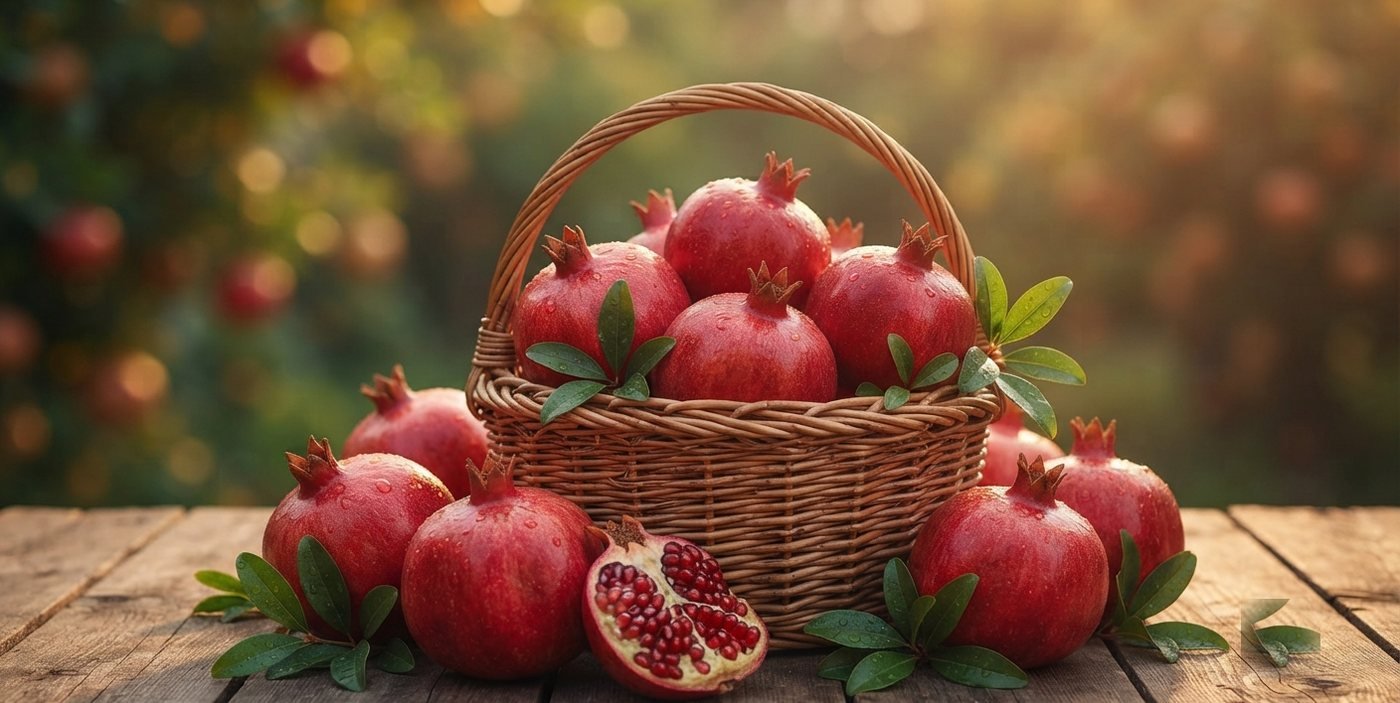 ডালিম
ডালিম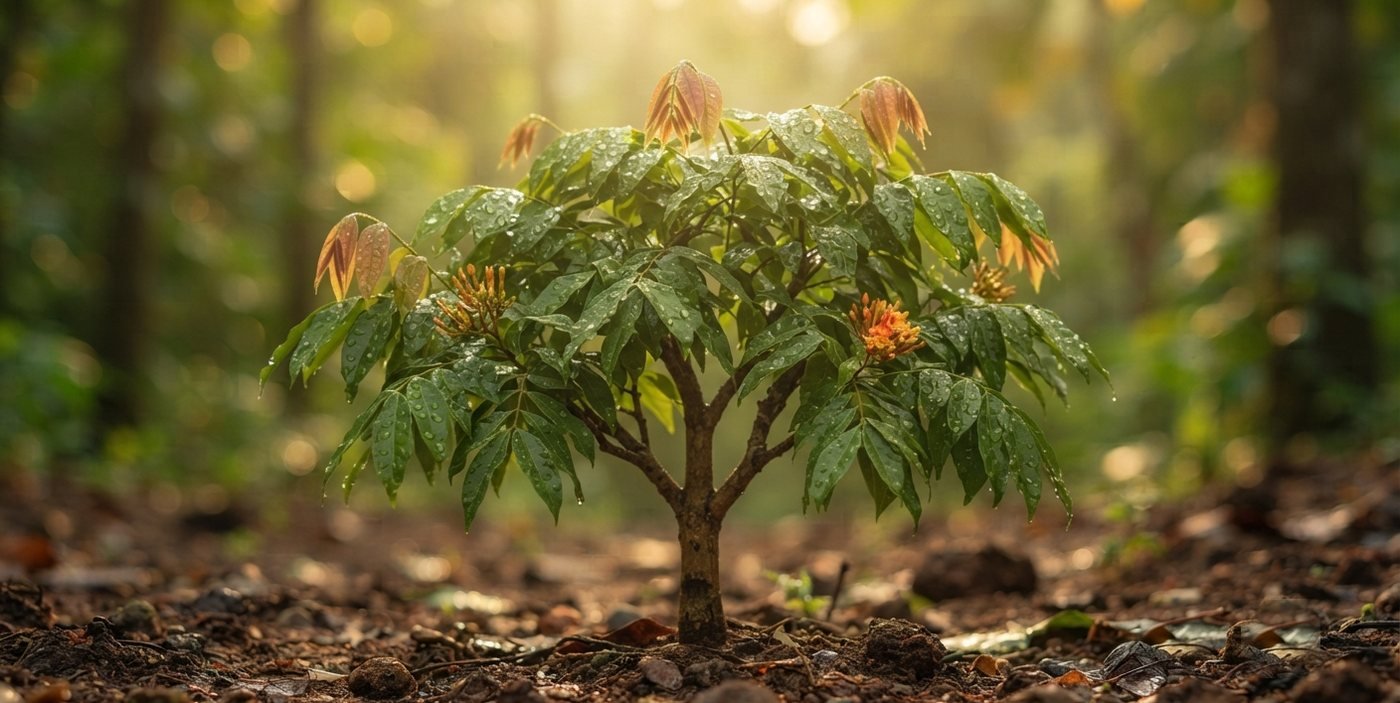 অশোক
অশোক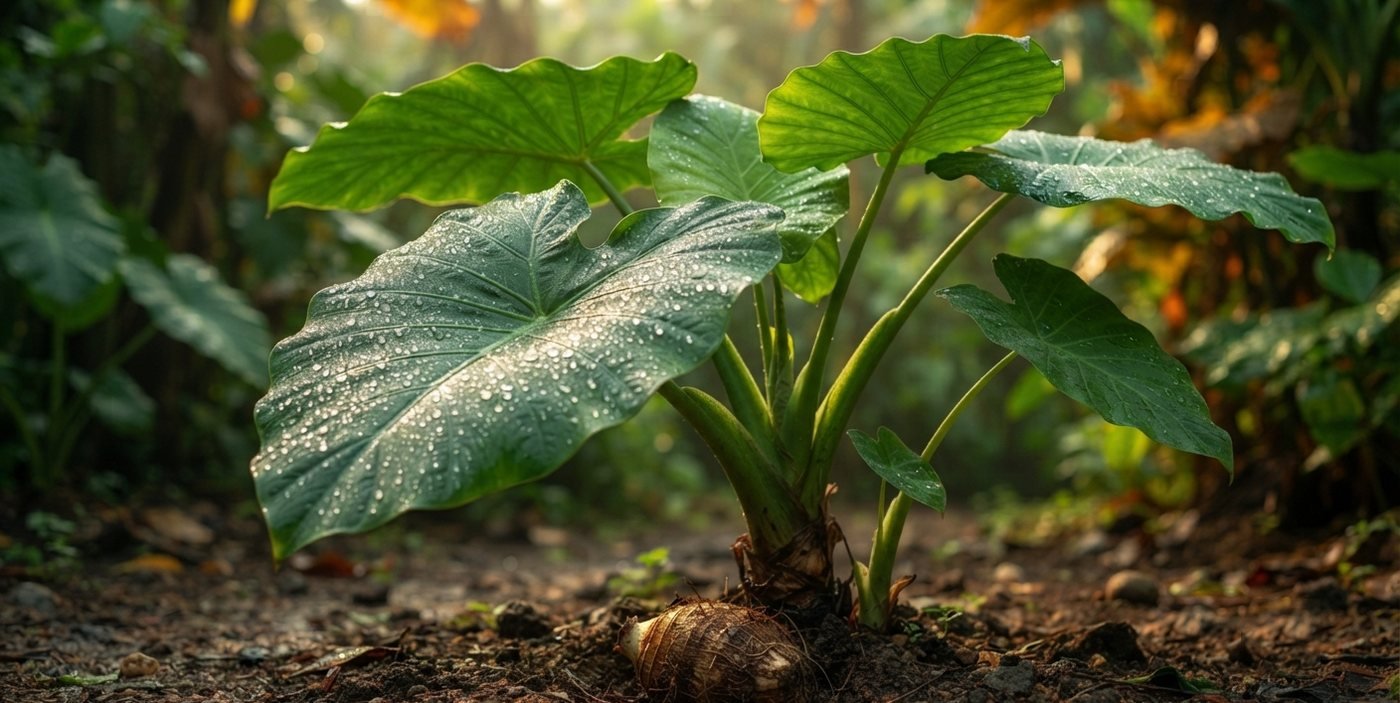 মানকচু
A humble green leaf beside a fierce goddess — strength that does not need to be loud.
Read Story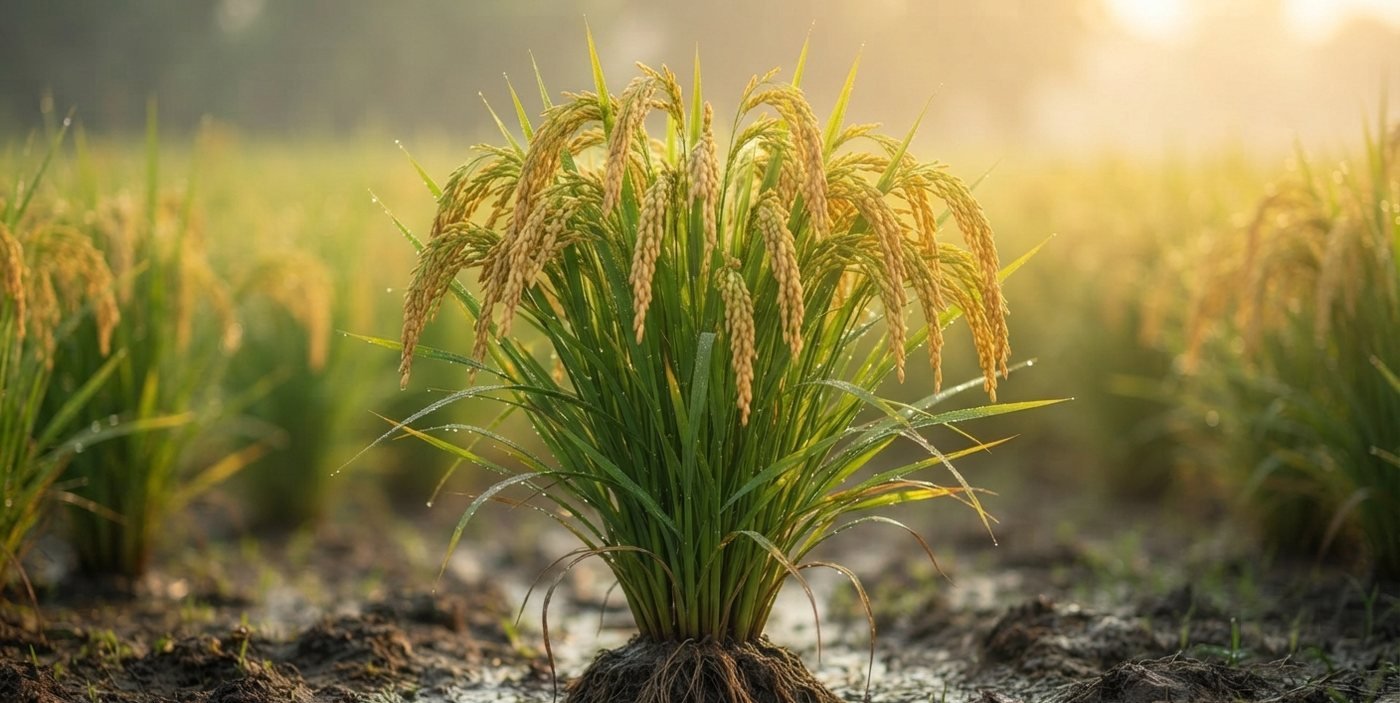 ধান
ধান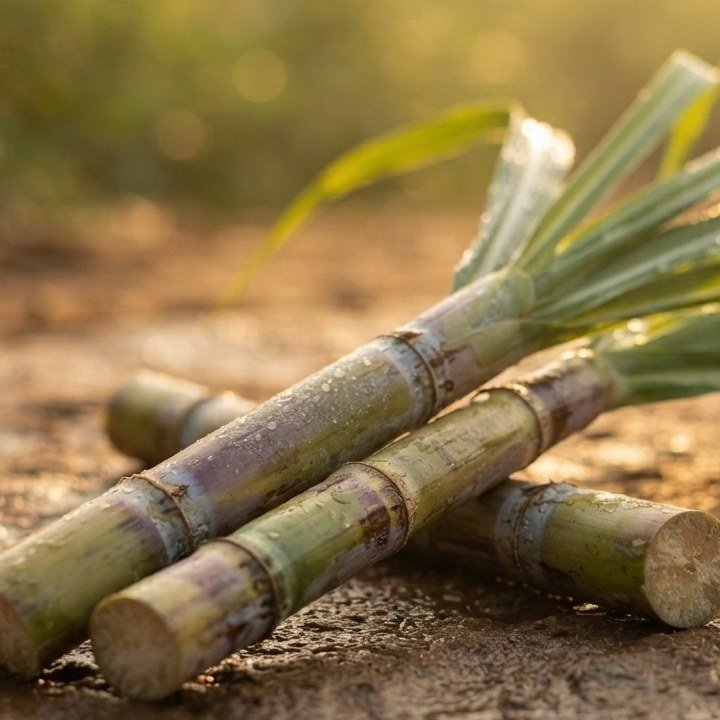 আখ
আখSweet sugar cane, a harvest offering that stands for sweetness and abundance.
The nine plants of Nabapatrika — read the story of each.
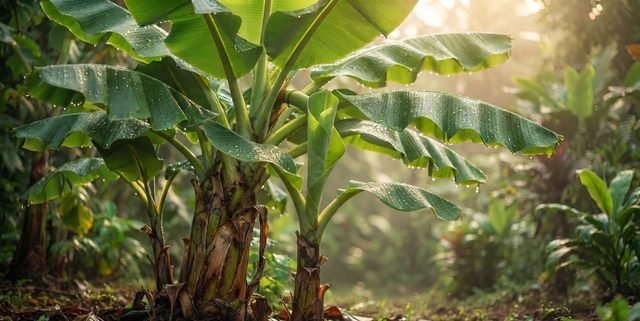 Banana
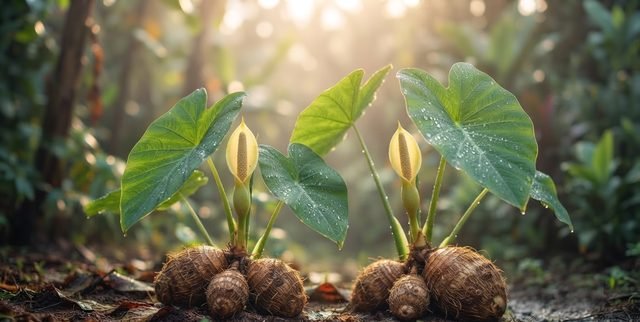 Kachu (Colocasia)
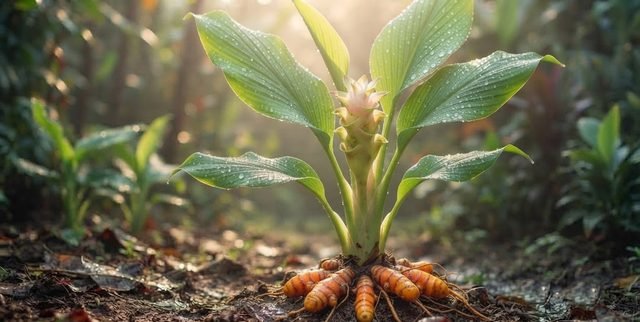 Turmeric
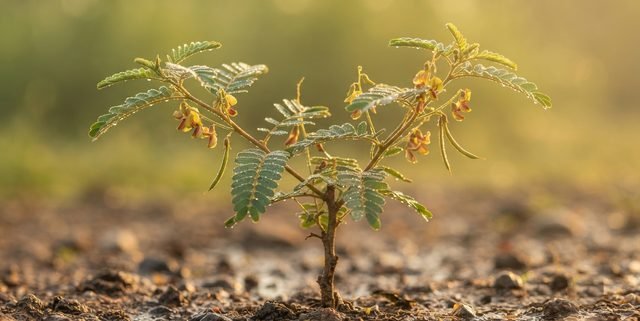 Jayanti (Sesbania)
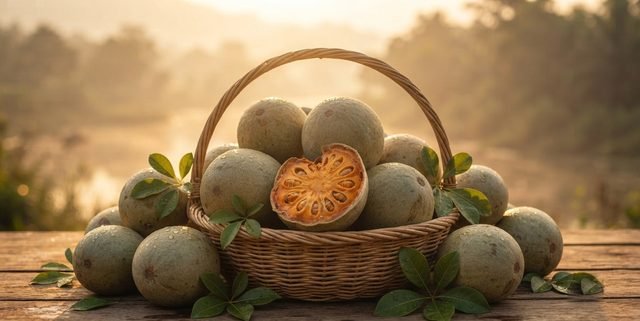 Bilva (Bael)
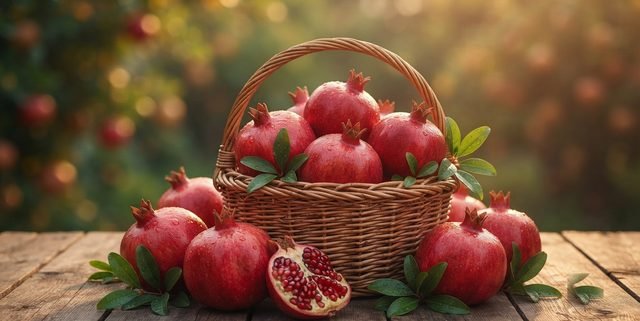 Pomegranate
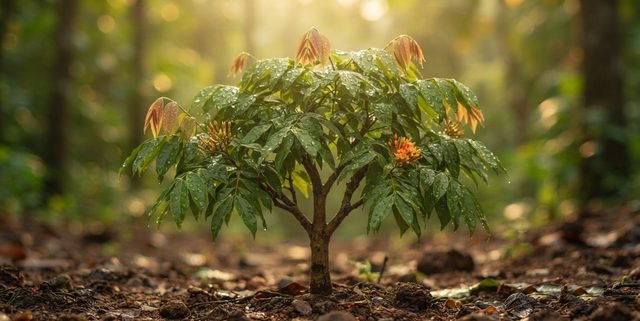 Ashoka
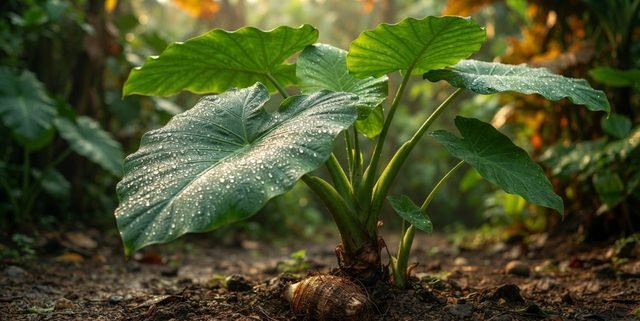 Manaka (Mankochu)
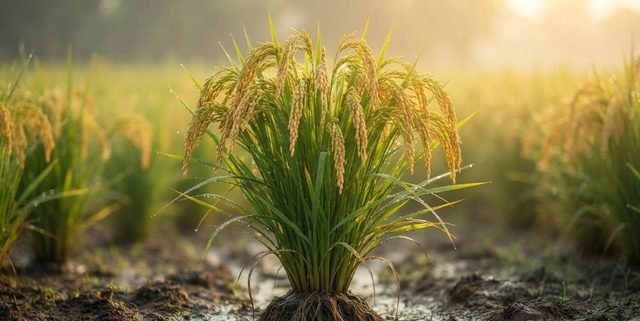 Rice Paddy
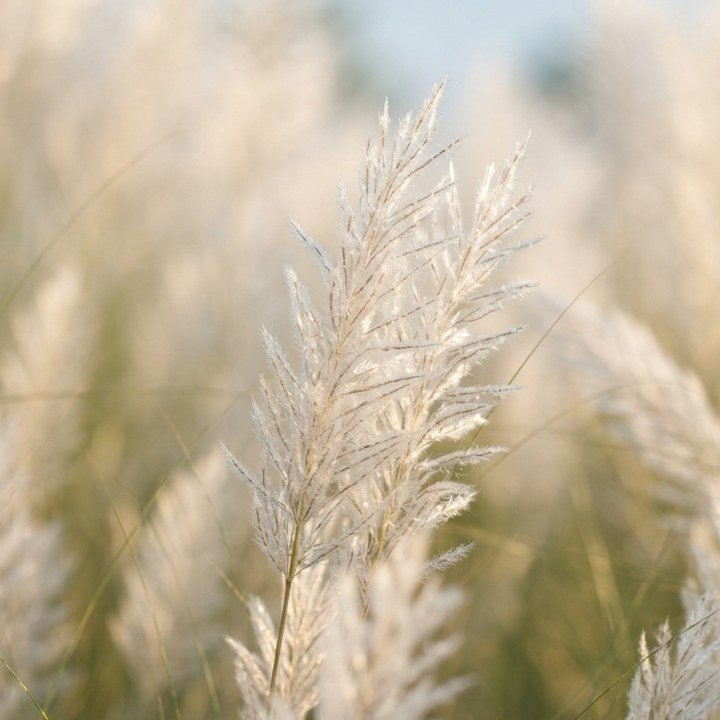 কাশফুল
White plumes of kash sway along the village paths as autumn arrives — the first sign that Maa is coming.
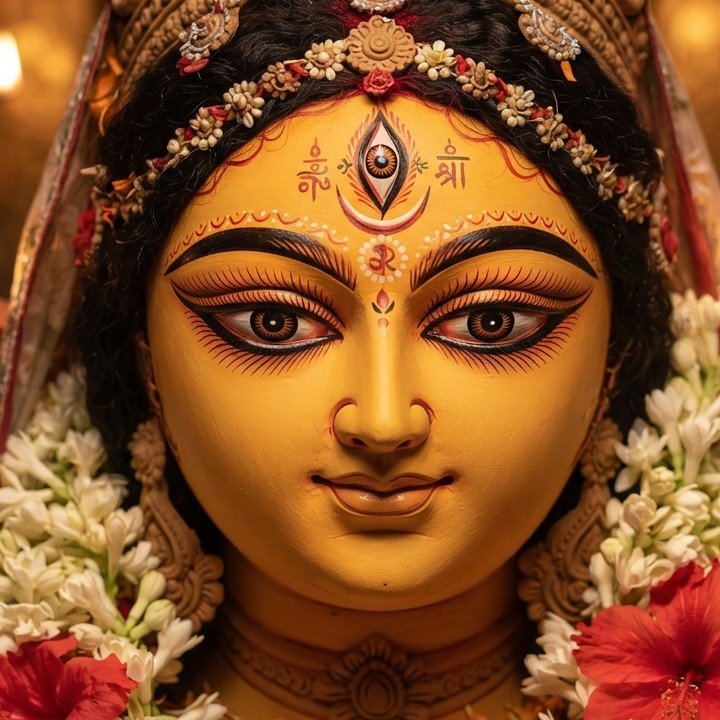 চক্ষুদান
On Mahalaya the artisan paints Maa's eyes, and the idol is said to come alive.
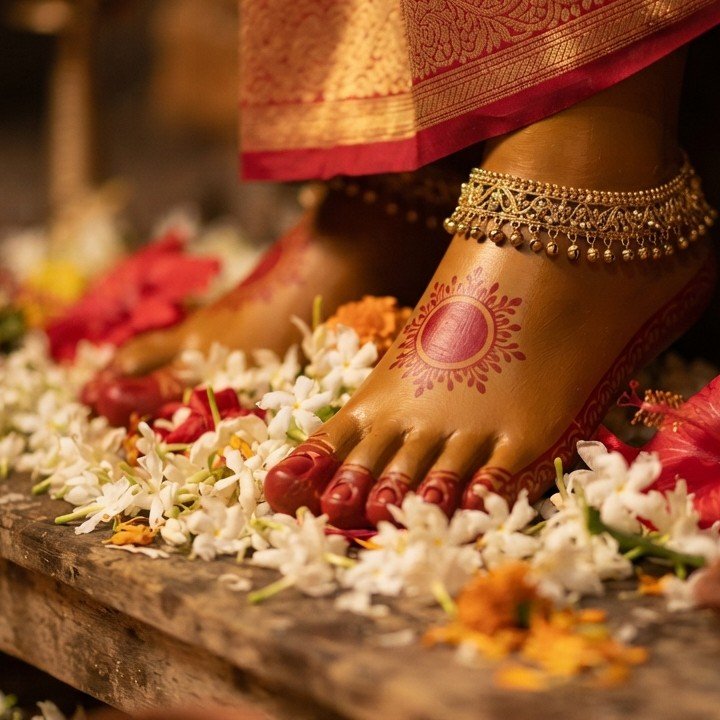 আলতা
আলতাRed alta painted on Maa's feet, with her anklets and flowers — a sign of auspiciousness and blessing.
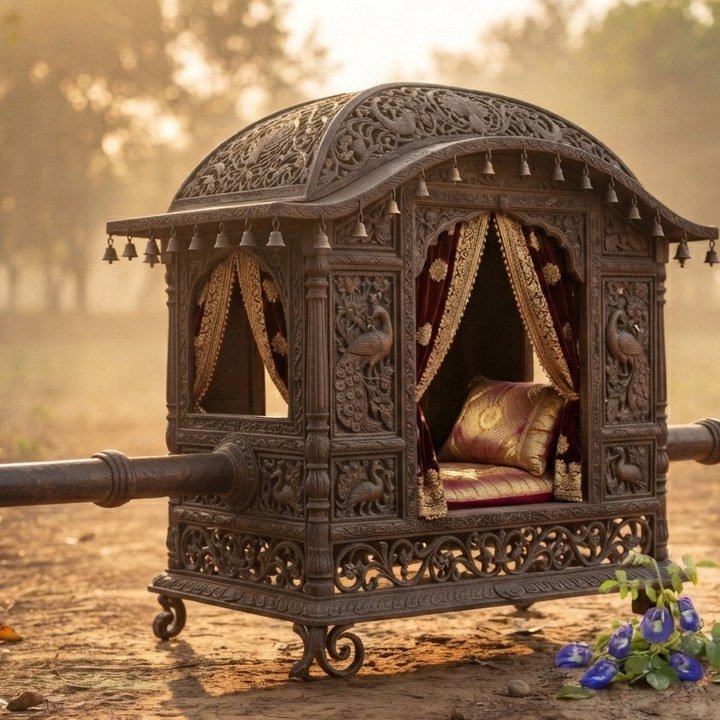 পালকি
পালকিMaa is said to come to her father's home and return on Dashami. The palanquin recalls that journey.
Our new website is ready and waiting behind the scenes — it opens to everyone the moment Maa arrives this Durga Puja.
ইয়া চণ্ডী মধুকৈটভাদিদৈত্যদলনী
ইয়া মাহিষোন্মূলিনী
ইয়া ধূম্রেক্ষণচণ্ডমুণ্ডমথনী
ইয়া রক্তবীজাশনী
Ya Chandi Madhukaitabhadi-daitya-dalani, Ya Mahishonmoolini, Ya Dhumrekshana-Chanda-Munda-Mathani, Ya Raktabeejashani, Shakti Shumbha-Nishumbha-daitya-dalani, Ya Siddhidatri Para, Ya Devi Navakoti-murti-sahita, Maa Paatu Bishweshwari.
She who destroyed the demons Madhu and Kaitabha, who uprooted Mahishasura, who slew Chanda and Munda, who consumed Raktabija's legions, and who ended Shumbha and Nishumbha — that same Shakti, giver of all accomplishment, present in nine crore forms — may that Devi, Mistress of the Universe, protect us.
Checking status…